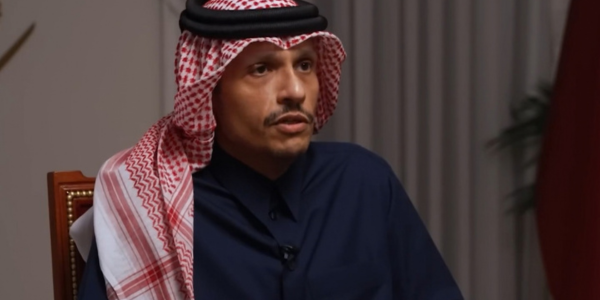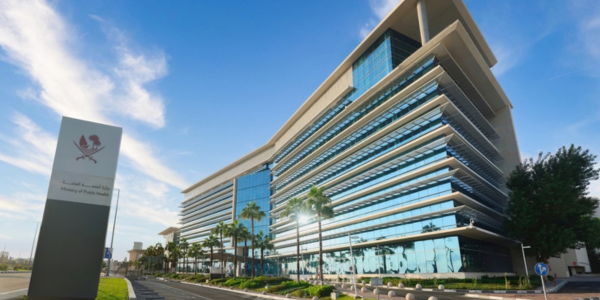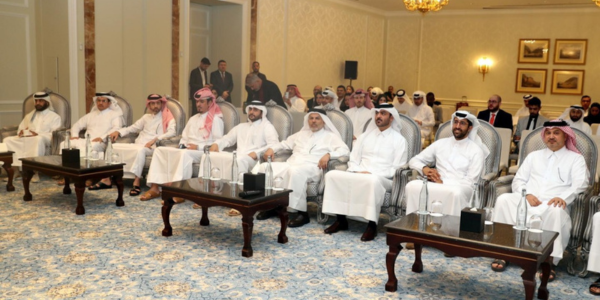

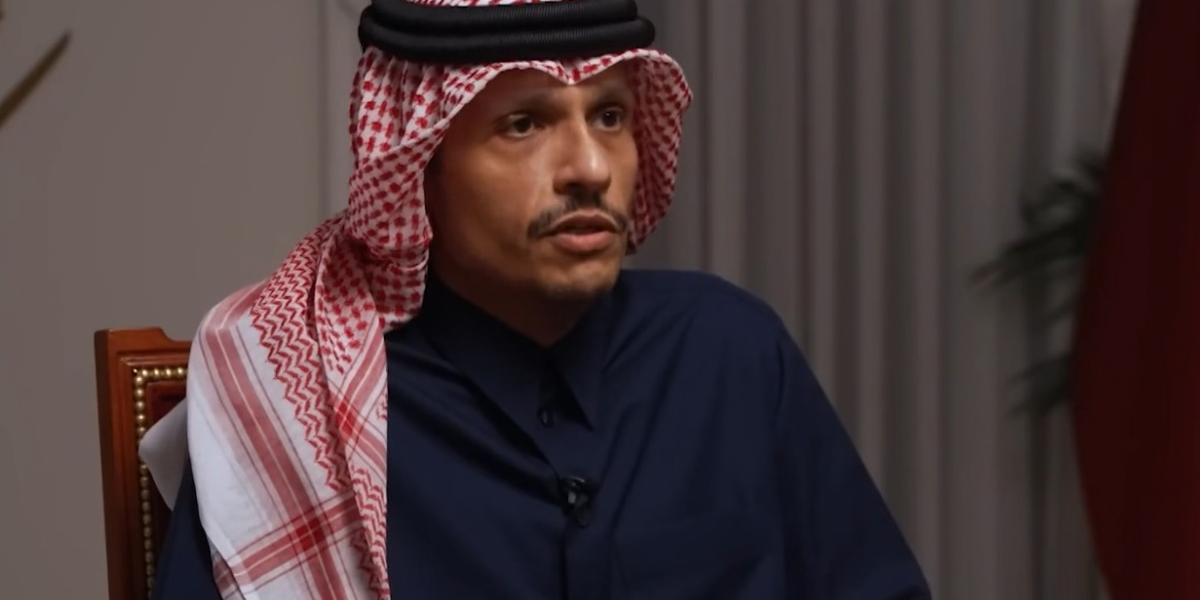
Prime Minister and Minister of Foreign Affairs H E Sheikh Mohammed bin Abdulrahman bin Jassim Al Thani has warned that ongoing Iranian attacks in the region are undermining global stability and causing significant disruptions to international economic activity.
Speaking on the wide‑ranging impact of the escalating tensions, the Prime Minister noted that the effects on the global economy became evident within the first week of the conflict.
Transit Hubs Disrupted
Highlighting the strategic importance of Gulf airports, H E Sheikh Mohammed explained that approximately 350 million passengers pass through Doha, Abu Dhabi, and Dubai annually. He stressed that this flow has been severely affected by instability in the region, interrupting a critical global transit corridor.
Energy Exports and Key Industries Impacted
The Prime Minister detailed the direct consequences for Qatar’s energy sector, noting that the country responsible for supplying 20% of global LNG was compelled to halt operations on March 2. This suspension, he said, led to a sharp rise in international energy prices.
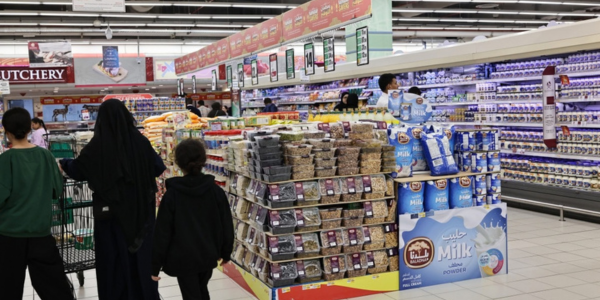
He also discussed the broader industrial impact, citing disruptions in downstream manufacturing. Qatar, the world’s second‑largest urea producer and a supplier of 10% of global demand, has seen production affected. This, he warned, could have a significant knock‑on effect on agriculture, food supply chains, and food security for countries dependent on Qatari exports.
Helium Supply Halted
Another major concern highlighted by the Prime Minister was the interruption of helium production. Qatar provides 35% of the world’s helium supply, a resource crucial for medical equipment and high‑tech industries. He described the halt as a global setback, noting that unique exports from each GCC country are now at risk, further straining international supply chains and security.
Civilian and Critical Facilities Targeted
H E Sheikh Mohammed also outlined the nature of recent attacks, stating that around 40% have targeted energy infrastructure, 25% have struck civilian areas including the international airport and 35% have hit military sites. He expressed concern that even drinking water storage facilities had come under attack.
The Prime Minister stressed that these aggressive actions pose a threat not only to regional stability but to global security and the international economy as a whole.