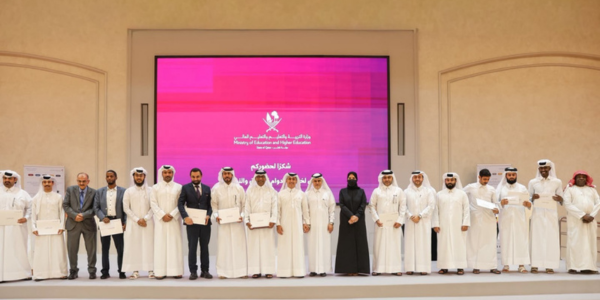

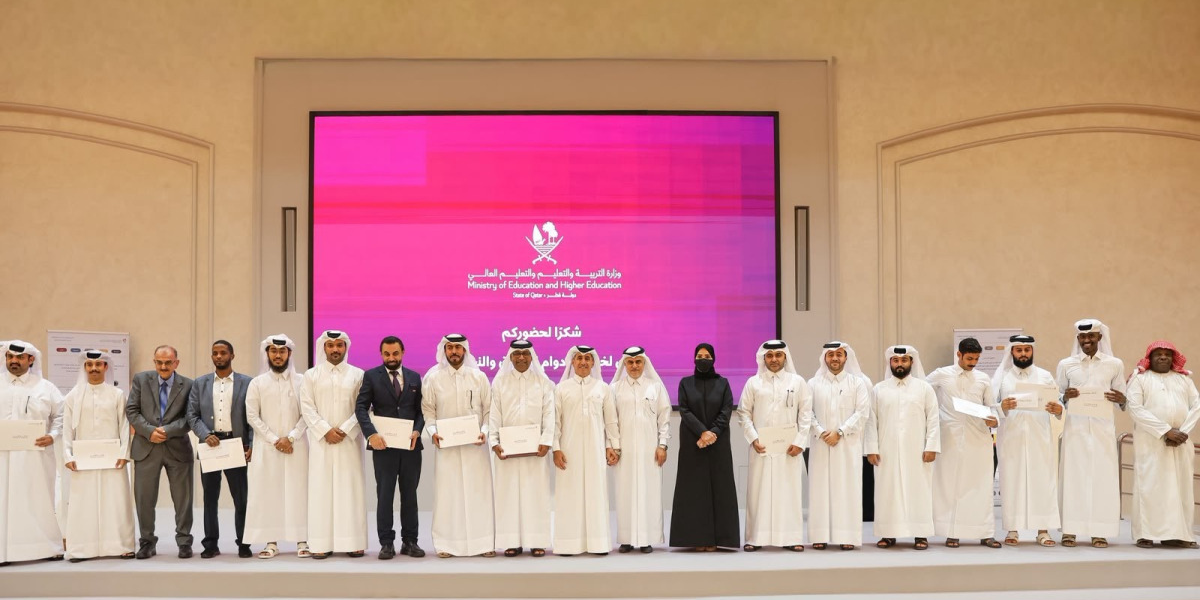
The Ministry of Education and Higher Education has honoured 56 distinguished graduates from evening education centres for the 2025/2026 academic year as part of activities marking International Literacy Day.
The recognition ceremony was organised in cooperation with the Sheikh Abdullah Al Ansari Complex and attended by HE Undersecretary of the Ministry of Education and Higher Education Dr. Ibrahim bin Saleh Al Nuaimi.
During the event, the ministry reaffirmed the importance of evening education centres as a successful national model that broadens educational access and promotes equal opportunities for learners. It noted that these centres reflect Qatar’s ongoing commitment to lifelong education, helping strengthen human capital and support the country’s sustainable development goals.
According to the ministry, 759 students graduated from evening education centres across the country during the 2025/2026 academic year. This figure included 402 male graduates, representing approximately 53 percent, and 357 female graduates, accounting for around 47 percent. The ministry praised the graduates’ determination to complete their studies and achieve their academic ambitions despite the challenges they faced.
Student enrolment in evening education centres reached nearly 1,620 learners of different nationalities during the same academic year. Qatari students represented 48.5 percent of enrolment, while non-Qatari students accounted for 51.5 percent. The ministry said these figures demonstrate the centres’ inclusive nature and their role in providing educational opportunities to all segments of society.
Addressing the graduates, Fatima Yousuf Al Obaidli, Assistant Director of the Department of School and Student Affairs at the Ministry of Education and Higher Education, said earning a secondary school certificate should be viewed not as an end point, but as the beginning of a new journey focused on learning, achievement, and personal growth.
She encouraged students to continue pursuing education and make use of the knowledge, experience, and skills they have gained to build successful futures while contributing positively to their country and communities.
Al Obaidli also highlighted the vital role of the Continuing Education Department in supporting individuals who were unable to complete their studies through the traditional education system. She explained that the department provides learning opportunities that help learners enhance their abilities and create pathways toward further education, employment, and active community participation. These efforts, she said, align with the state’s vision of investing in people and advancing human development.
The ceremony included the screening of a short documentary that highlighted the obstacles many students encountered throughout their educational journeys and the perseverance they demonstrated in overcoming them. The film also showcased how evening education centres offer flexible learning options, enabling students to balance education with other responsibilities while pursuing their academic and professional goals.
The Continuing Education Department, which operates under the School and Student Affairs Department within the Education Affairs Sector, currently oversees nine evening education centres located across the country. The network consists of four centres for male students and five for female students.
These centres provide a range of flexible educational programmes designed to meet the needs of diverse groups within society, while supporting national efforts to expand educational access and increase opportunities for enrolment.