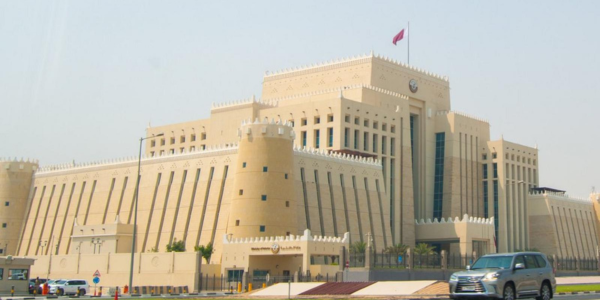


The Qatar Civil Aviation Authority (QCAA) has taken a major step toward advancing the country's airspace management system by introducing a new regulatory framework for drone operations. As part of this effort, the authority yesterday held an open public awareness session at the Qatar Air Traffic Control Center to explain the provisions of Law No. (10) of 2026.
The newly enacted legislation establishes a nationwide framework for the regulation, operation, and oversight of unmanned aircraft systems (UAS), commonly known as drones. The event brought together members of the public, drone operators, technology enthusiasts, and industry representatives to familiarize them with the law and its requirements.
The session forms part of the QCAA’s wider educational initiative aimed at increasing public understanding of licensing procedures, legal obligations, and compliance standards linked to drone use. Officials highlighted the growing importance of clear and effective regulations amid the rapid development of drone technologies around the world.
During the presentation, QCAA experts outlined the legal and technical requirements contained within the new law. Participants were briefed on the processes for obtaining operational permits for commercial, research, and recreational drone activities.
Officials also detailed operational restrictions, including altitude limitations and approved flight corridors. In addition, they emphasized no-fly zones surrounding commercial airports, densely populated residential areas, sensitive government sites, and key national infrastructure facilities.
The briefing further addressed technical criteria for approved drone equipment, required safety features, and environmental measures designed to reduce noise disturbances and safeguard local wildlife habitats.
Holding the event at the Qatar Air Traffic Control Center underscored the close connection between drone regulation and national aviation safety. Attendees gained insight into the integration of unmanned aircraft operations within broader civil aviation systems, including air traffic management and radar surveillance.
Interactive discussion segments allowed participants to seek clarification on operational requirements, registration procedures for imported drones, and compliance measures that would enable them to continue their activities in accordance with the new law.
QCAA officials stressed that the purpose of Law No. (10) of 2026 is to support, rather than hinder, technological progress. They noted that the legislation is intended to create a structured and dependable environment in which advanced aviation technologies can develop safely and responsibly.
Through the introduction of a balanced regulatory system, Qatar aims to capitalize on the economic, scientific, and recreational opportunities presented by drone technology while ensuring high standards of privacy, public safety, and national airspace security.
The authority also emphasized the importance of maintaining open dialogue between regulators and the community. By promoting transparency and cooperation, the QCAA seeks to strengthen Qatar’s position as a center for commercial drone operations and technology-driven infrastructure solutions, while helping businesses and stakeholders adapt smoothly to the evolving regulatory landscape.